How Electrical Load Management Helps Avoid Costly Panel Upgrades
Discover how electrical load management helps Edmonton property owners reduce peak power demand, manage EV charging, improve safety, and potentially avoid costly panel upgrades.
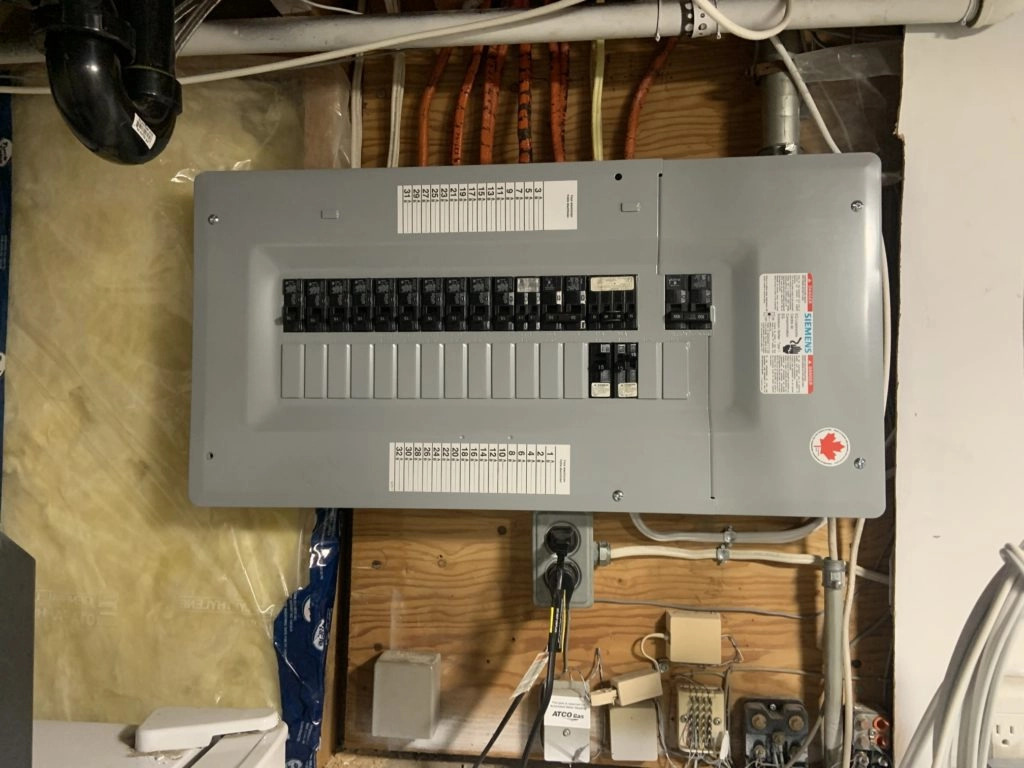
Modern homes and workplaces rely on more power than ever. EV chargers, heating systems, kitchen appliances, and machinery can place added pressure on an existing service. But a larger panel isn’t always the answer. Electrical load management helps coordinate electricity use, reduce overlapping demand, and potentially avoid unnecessary upgrade costs.
Table of Contents
- What Is Electrical Load Management and How Does It Work?
- Why Can Panel Upgrades Become Expensive?
- How Does Smart Load Control Reduce Peak Demand?
- When Is Load Control Better Than Replacing a Panel?
- Benefits for Edmonton Homes
- Applications for Commercial and Industrial Facilities
- What to Check Before Investing in an Upgrade
- Conclusion
In Edmonton, an informed decision starts with understanding available capacity and when major devices operate. A qualified professional can review the installation, identify constraints, and determine whether smart controls offer a suitable solution.
What Is Electrical Load Management and How Does It Work?
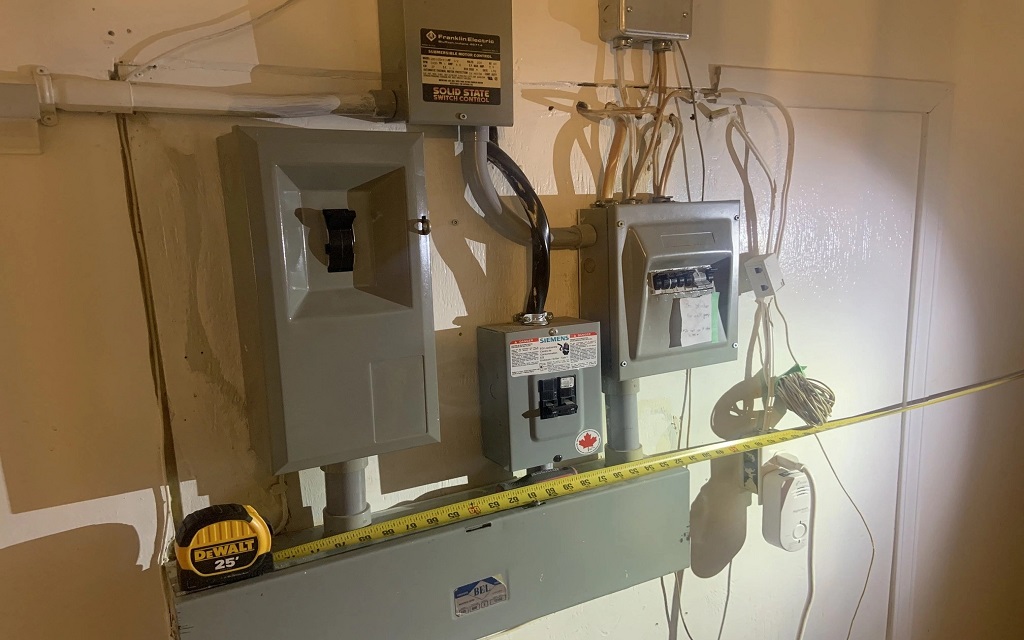
Smart electrical load management monitors and adjusts power use to keep connected devices within safe limits. Rather than increasing the service rating, this approach can reduce simultaneous demand by scheduling flexible loads or automatically limiting selected circuits. It allows more effective use of existing capacity, where approved technology and local regulations permit.
Common methods include:
- Usage monitoring: Tracks consumption and identifies busy periods.
- Automatic load shedding: Temporarily pauses designated non-essential devices.
- Smart scheduling: Moves flexible activities to times when fewer appliances are running.
- Dynamic power allocation: Adjusts the supply available to compatible systems.
Why Can Panel Upgrades Become Expensive?
Replacing a panel may involve more than installing a new breaker enclosure. Some projects require service entrance changes, new conductors, permit applications, inspections, and coordination with the utility provider.
Older Edmonton properties may also need repairs before safely installing additional circuits. When selecting an electrician in Edmonton, property owners should ask for an assessment of the panel’s condition, service rating, calculated demand, and proposed additions.
If the current installation is deteriorating or cannot meet code requirements, replacement may be necessary. If the challenge mainly arises when several high-power devices run together, demand controls could be worth considering first.
Pro West Electrical provides professional electrical services in Edmonton, including panel upgrades, EV charger installations, and power solutions for homes and businesses.
How Does Smart Load Control Reduce Peak Demand?
A dryer, range, space-heating system, and vehicle charger may each operate normally on their own, yet their combined use could stretch available capacity.
Smart controls respond by reducing or delaying non-essential consumption.
Electrical Load Management for EV Charging
A Level 2 vehicle charger rated at 32 amperes on a 240-volt circuit draws approximately 7.7 kilowatts while charging. That can add significant demand to a property already using electric heat or other major appliances.
An Electric Vehicle Energy Management System (EVEMS) can monitor relevant power use and reduce or pause charging when other loads require capacity. Charging may resume at a higher rate when sufficient room becomes available.
This arrangement may help accommodate a new charging point without a service upgrade. Suitability depends on the approved device, installation design, applicable Canadian code provisions, and a professional load calculation.
Scheduling Flexible Appliances
Some tasks can take place at different times without affecting daily comfort. You can shift vehicle charging to quieter periods and schedule certain water-heating or commercial processes around other activities.
A control strategy should reflect how the property is actually used, especially during Edmonton winters.
When Is Load Control Better Than Replacing a Panel?
Neither option is automatically best. The right choice depends on the installation’s condition, available capacity, proposed additions, and long-term plans.
Load control may be practical when existing components are sound, and the main concern is simultaneous use. A panel or service upgrade may be needed where deterioration, inadequate circuitry, or future expansion makes the current arrangement unsuitable.
An experienced electrical contractor in Edmonton can consult with property owners and compare the costs, limitations, and safety requirements of each approach.
Benefits for Edmonton Homes
Households are adding EV charging, heat pumps, larger appliances, and home-office devices. This makes careful capacity planning more important than simply counting open breaker spaces.
A licensed residential electrician in Edmonton can assess existing circuits and how planned additions affect demand. For instance, a household may be able to use an approved EV charging controller rather than immediately increasing its service size.
Potential benefits include fewer overlapping loads, better use of available capacity, and more flexibility when adding compatible technology.
Cold-weather operation deserves particular attention. Any plan must account for heating needs during prolonged low temperatures, not just average consumption on a mild day.
Applications for Commercial and Industrial Facilities
Workshops, offices, and production sites often run motors, ventilation, lighting, refrigeration, and process machinery. Some operations can be staggered to avoid unnecessary peaks without interrupting essential work.
A reliable industrial electrician in Edmonton facility management consulting can review starting currents, operating schedules, distribution arrangements, and critical processes. For example, a workshop might start large motors in sequence instead of all at once.
Where utility tariffs include demand charges, reducing measured peaks can sometimes lower expenses. Actual savings depend on the billing structure and operating profile, so don’t promise a fixed reduction.
What to Check Before Investing in an Upgrade
1. List Current and Planned Loads
Document major appliances, chargers, heating units, machines, and future additions.
2. Request a Proper Load Calculation
A qualified professional should calculate demand using the applicable standards. Monthly energy bills show consumption over time, but they cannot establish whether a service has enough capacity for a proposed circuit.
3. Inspect Existing Components
Check the condition of the panel, breakers, conductors, and connections. Address signs of overheating, damage, or other defects regardless of potential demand savings.
4. Compare Approved Control Options
Confirm that the selected devices are certified for the intended application and compatible with the installation.
5. Confirm Local Compliance
Alberta adopted CSA C22.1-24, the Canadian Electrical Code, 26th Edition, effective April 1, 2025. Verify applicable permits, inspections, and safety requirements before work begins.
6. Plan for Future Growth
A second vehicle, renovation, new heating system, or business expansion could change the best long-term choice. Pro West Electrical serves Edmonton property owners considering EV charging, service improvements, and other power-related projects. A site-specific assessment can help clarify the available options.
Frequently Asked Questions
Can load control completely eliminate a panel upgrade?
Not always. Approved controls may let selected devices share existing capacity, but unsafe or inadequate infrastructure may still require repairs or replacement.
Is this approach suitable for older homes?
Sometimes, provided the wiring, panel, and connected systems are in acceptable condition. An inspection is essential before adding major loads.
Will smart controls lower monthly power bills?
Not necessarily. They may shift usage or reduce peak charges where the tariff rewards that behaviour, but they do not automatically reduce total energy consumed.
Can a home add an EV charger without a larger service?
In some cases, yes. A compatible EVEMS may control charging to remain within approved limits. A professional must verify the installation and relevant code rules.
How is the right solution selected?
An electrician reviews service capacity, calculated demand, component condition, proposed additions, and future needs before recommending a control system or upgrade.
Conclusion
Electrical load management can help Edmonton homes and businesses use existing capacity more efficiently by reducing unnecessary peaks. In suitable installations, this may support EV charging or other additions without an immediate panel upgrade. Still, safety comes first. A sound decision relies on accurate calculations, approved devices, code compliance, and a realistic view of future needs.
Considering electrical improvements for a property in Edmonton? Pro West Electrical can help assess power capacity and identify suitable solutions. Find Pro West Electrical on Google Maps to view business location details and plan your route before inquiring.