How to Choose Part Marking Methods for Different Metal Surfaces
Discover how to choose part marking methods for stainless steel, aluminum, and carbon steel. Compare laser marking, engraving, and stamping to improve durability, readability, and traceability today.
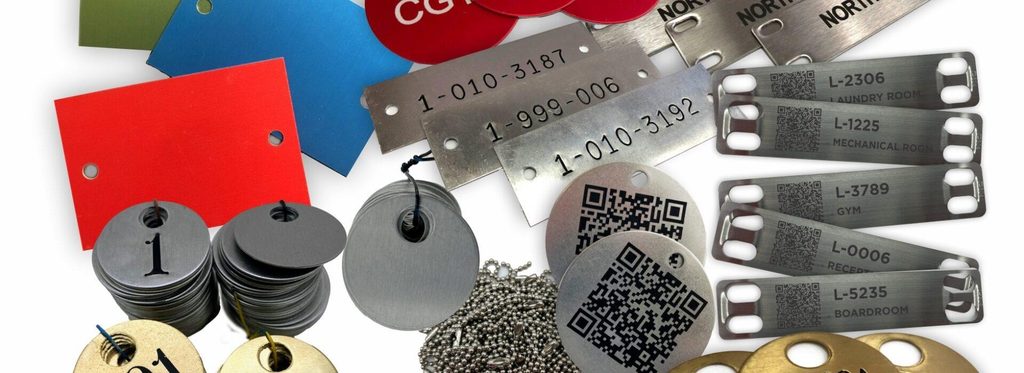
Choosing suitable part marking methods is essential to maintain accurate identification, product traceability, and long-term readability across industrial applications. Different metals react differently to engraving, stamping, laser processing, and chemical etching. Surface hardness, corrosion resistance, and environmental exposure can influence identification quality. Understanding these characteristics helps manufacturers select suitable techniques, minimize production errors, and maintain consistent results throughout equipment lifecycles.
Table of Contents
- Understanding Part Marking Methods for Metal Identification
- How Different Metal Surfaces Affect Marking Quality
- Comparing Marking Techniques for Common Metal Surfaces
- Selecting Suitable Marking Processes for Industrial Applications
- Improving Traceability Through Industrial Identification
- Practical Steps Before Selecting Industrial Marking Products
- Conclusion
Understanding Part Marking Methods for Metal Identification
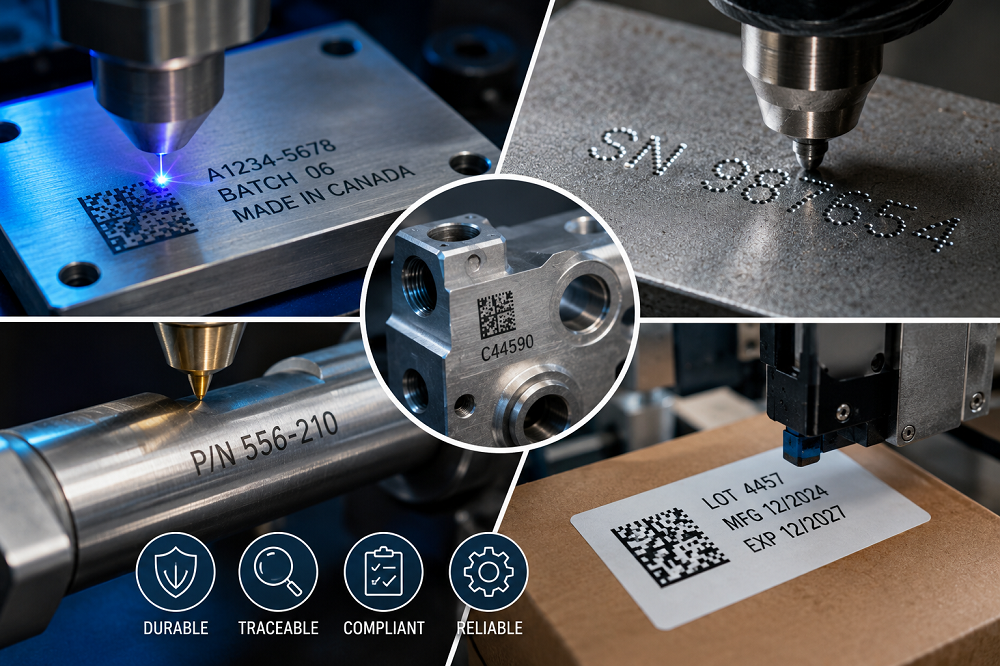
Choosing effective part marking methods starts with understanding how each process interacts with metal surfaces. Some techniques remove material, while others create impressions or change surface appearance without significant material removal.
Common techniques include:
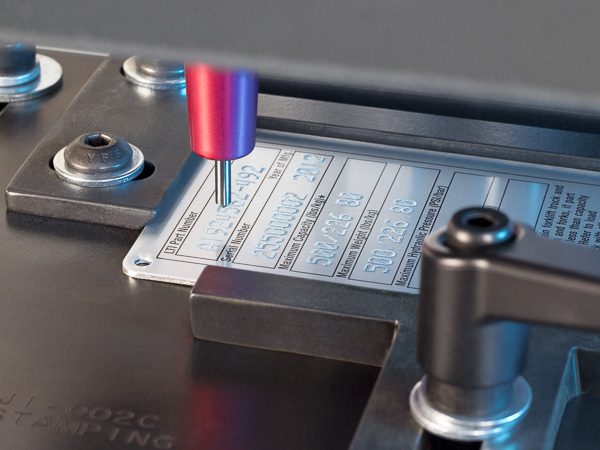
- Laser marking: Produces precise text, serial numbers, and machine-readable codes using focused laser energy.
- Dot peen marking: Creates recessed characters through controlled mechanical impacts.
- Chemical etching: Uses chemical reactions to create identification on exposed areas.
- Metal stamping: Forms characters through applied mechanical pressure.
- Mechanical engraving: Removes material with cutting tools to produce recessed markings.
Each technique has specific advantages depending on material properties, production volume, and required durability.
How Different Metal Surfaces Affect Marking Quality
Metal composition and surface finish influence how identification appears and performs. Stainless steel, aluminum, and carbon steel require different processing considerations.
Stainless Steel: Preserving Corrosion Resistance
Stainless steel is widely used in industrial and manufacturing, food processing, and machinery because of its strength and corrosion resistance. Laser annealing can create visible markings through controlled surface changes without removing much material. However, unsuitable processing conditions may affect corrosion performance.
Mechanical engraving and dot peen techniques also create permanent identification, although surface deformation requires careful assessment. For components exposed to cleaning chemicals or moisture, corrosion resistance should remain a priority when selecting a technique.
Aluminum: Protecting Lightweight Components
Aluminum is commonly used in electronics, transportation, and equipment manufacturing because of its low weight and versatility. Laser engraving works on many aluminum alloys, while anodized surfaces can produce strong contrast through controlled coating modification.
Thin components require additional care because excessive stamping pressure may cause distortion. Manufacturers should evaluate alloy composition, coating thickness, and available identification space before selecting a process.
Need durable metal identification for your project? Contact Industrial Nameplates to discuss part marking methods, material requirements, and custom solutions for industrial equipment.
Carbon Steel: Managing Surface Wear
Carbon steel is frequently used in machinery, structural components, and industrial fabrication.
Dot peen marking and stamping can create recessed identification suitable for applications involving repeated handling. For industrial identification needs, Industrial Nameplates offers metal marking solutions that support clear, consistent component identification.
Laser processing also supports detailed serial numbers and identification codes. However, oxidation, protective coatings, and abrasion may affect long-term readability. Testing representative components helps identify an appropriate balance between depth, visibility, and structural integrity.
Comparing Marking Techniques for Common Metal Surfaces
A practical comparison helps manufacturers narrow their options before conducting production trials.
| Metal surface | Suitable techniques | Main consideration |
| Stainless steel | Laser annealing, engraving, dot peening | Corrosion resistance |
| Aluminium | Laser marking, engraving, dot peening | Thickness and coatings |
| Anodized aluminium | Laser marking | Coating contrast |
| Carbon steel | Dot peening, stamping, laser | Oxidation and abrasion |
These techniques are options, not universal recommendations. Component specifications, required depth, and operating conditions determine final suitability.
Selecting Suitable Marking Processes for Industrial Applications
Manufacturing environments impose different requirements on metal identification. Production speed, material hardness, component geometry, and expected service conditions should guide decisions.
How to Compare Part Marking Methods for Surface Durability
When comparing precision part marking, manufacturers should consider whether identification must withstand abrasion, chemicals, temperature changes, or frequent handling. Recessed engraving can resist some surface wear because the identification extends below the surrounding material.
Laser-generated contrast may suit protected surfaces, but performance depends on processing parameters and environmental exposure. For safety-critical components, keep marking depth within approved engineering specifications to avoid compromising mechanical performance.
Consider Surface Finish and Coatings
Polished, brushed, painted, and anodized surfaces respond differently to identification processes.
Reflective materials may require adjusted laser settings, while protective coatings can influence contrast and durability.
Testing finished components is especially important because results from untreated samples may not reflect actual production conditions.
Balance Production Speed and Cost
Automated laser systems can support consistent identification during high-volume manufacturing.
Mechanical engraving and stamping may remain practical for smaller production batches or particular identification requirements.
Equipment investment, maintenance, processing time, and expected production volume should guide cost comparisons.
Improving Traceability Through Industrial Identification
Reliable part marking links physical components to manufacturing records, maintenance information, and quality documentation.
Serial numbers, batch codes, model details, and Data Matrix symbols can support component tracking throughout production and service. Consistent industrial marking also helps technicians distinguish similar equipment and reduce identification mistakes.
For machine-readable codes, contrast alone does not guarantee successful scanning. Surface reflection, code dimensions, lighting, and verification procedures also affect performance.
ISO/IEC 29158:2025 provides a quality assessment framework for direct part mark symbols, including specific measurement conditions. Manufacturers using such codes should review applicable customer specifications and verification requirements.
Practical Steps Before Selecting Industrial Marking Products
Appropriate durable industrial marking products should match component requirements, not just appearance or initial cost.
Before finalizing a technique, manufacturers can follow these steps:
- Identify material properties: Confirm metal grade, hardness, coating, and thickness.
- Define identification needs: Specify characters, serial numbers, logos, or machine-readable codes.
- Assess operating conditions: Review exposure to abrasion, chemicals, moisture, and temperature variations.
- Check component limitations: Consider available space, geometry, and acceptable surface changes.
- Test representative samples: Evaluate visibility, durability, and possible material damage.
- Document production settings: Establish consistent procedures for repeatable identification results.
These checks help reduce rework, support quality control, and improve long-term identification performance.
Frequently Asked Questions
Which technique is suitable for stainless steel?
Laser annealing, mechanical engraving, and dot peen marking are possible options. The preferred choice depends on corrosion requirements, surface finish, acceptable deformation, and identification depth.
Can aluminum components be permanently marked?
Yes. Laser engraving, mechanical engraving, and dot peen techniques can produce lasting identification. Results depend on alloy composition, component thickness, and environmental conditions.
Does laser marking weaken metal components?
Laser processing can alter surface properties depending on energy settings and technique. Engineering review and testing help determine whether changes are acceptable for specific applications.
Which process works for industrial serial numbers?
Laser engraving, stamping, and dot peen techniques can produce serial numbers. Selection depends on required character size, production speed, component material, and readability.
How can manufacturers maintain consistent marking quality?
Documented procedures, suitable equipment settings, sample inspections, and regular verification help maintain repeatable results across production batches.
Conclusion
Choosing suitable part marking methods requires careful consideration of metal properties, surface coatings, operating conditions, and production requirements. Stainless steel, aluminum, and carbon steel each present different identification challenges. Comparing techniques, testing samples, and applying consistent quality procedures can improve traceability while protecting component performance. A well-planned approach supports accurate identification and efficient maintenance throughout equipment service life.
Need precise metal identification solutions for an industrial project in Calgary? Find Industrial Nameplates on Google Maps for directions and business details before inquiring.