
How a Siding Installation Company in Austin Evaluates Exterior Walls
Before installing new siding, a thorough exterior wall inspection helps identify moisture damage, weakened sheathing, uneven surfaces, and structural concerns. An experienced siding installation company in Austin evaluates these conditions to determine suitable materials and preparation requirements. Understanding this process helps homeowners make informed decisions and achieve durable, attractive exterior siding results.
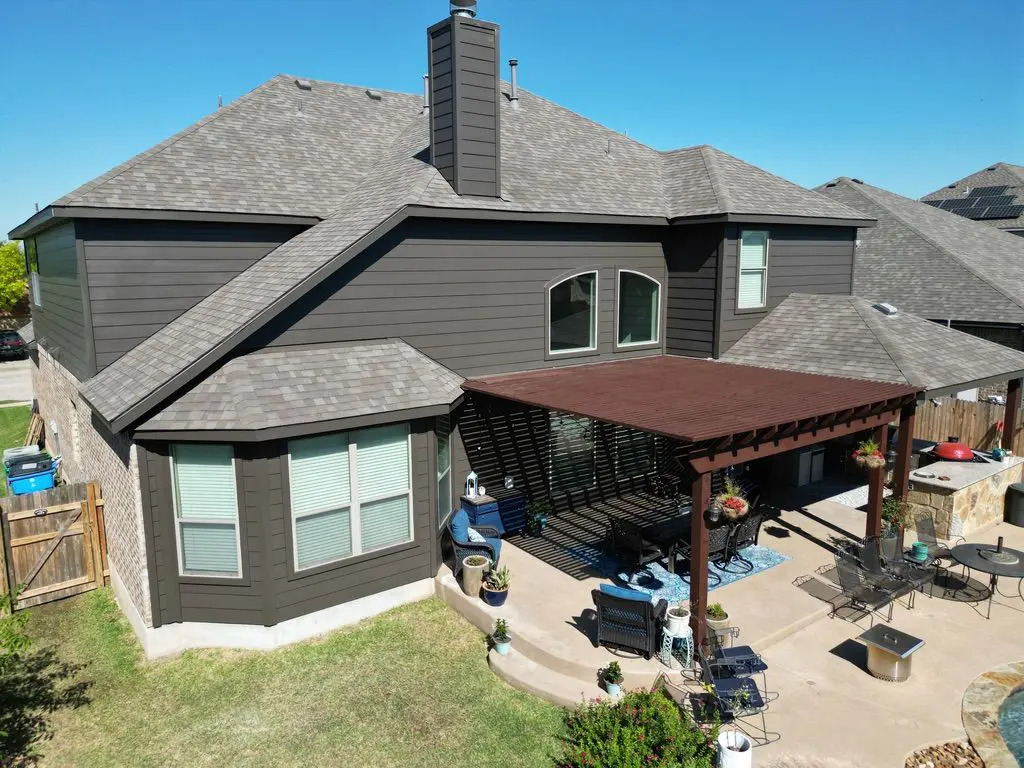
fiber cement siding in Leander
Exterior siding does more than improve a home’s appearance. It creates a protective layer that helps shield exterior walls from moisture, temperature changes, and everyday weather exposure. Before installing new siding, evaluating the condition of existing walls is essential for lasting performance. A qualified siding installation company in Austin examines exterior surfaces, identifies potential weaknesses, and determines whether the underlying structure is ready for new materials. This assessment helps prevent installation complications and supports informed siding replacement decisions.
Table of Contents
- Why Exterior Wall Evaluation Matters Before Siding Installation
- How Siding Specialists Examine Exterior Walls
- Assessing Structural Components Beneath Existing Siding
- How Material Selection Influences Wall Preparation
- Measuring Exterior Walls for Accurate Project Planning
- Preparing Exterior Walls Before Installation Begins
- Frequently Asked Questions
- What does a siding company inspect before installation?
- Can new siding be installed over damaged exterior walls?
- How long does an exterior wall assessment take?
- Why is moisture inspection important before siding replacement?
- Is James Hardie fiber cement siding suitable for residential exterior walls?
- Does every siding replacement project require complete wall reconstruction?
- Frequently Asked Questions
- Conclusion
Why Exterior Wall Evaluation Matters Before Siding Installation
An exterior wall assessment provides important information about the condition of a home’s existing siding and supporting components. A skilled siding installation company in Austin, TX, examines visible damage and potential issues hidden beneath aging panels. Moisture intrusion, deteriorated sheathing, and uneven surfaces can affect how new siding performs.
A thorough evaluation helps identify these concerns before installation begins. It also lets contractors choose suitable materials, calculate requirements, and develop a practical installation approach.
Skipping this assessment could result in installing new siding over conditions that need attention.
How Siding Specialists Examine Exterior Walls
Evaluating exterior walls involves several steps. Each inspection focuses on different components that influence installation quality, weather protection, and long-term durability.
1. Inspecting the Existing Siding Condition
The assessment generally begins with a visual examination of the current exterior covering.
Contractors look for visible deterioration, including cracked panels, loose sections, warping, peeling coatings, and separation around joints.
They also examine whether the siding remains securely attached to the underlying structure.
When assessing older exteriors, specialists may recommend removing deteriorated materials to uncover hidden damage. Property owners consulting a siding replacement company Austin residents rely on can also learn whether existing wall components need additional attention.
Not every visible defect means the entire exterior needs replacement. The extent of deterioration helps determine the appropriate scope of work.
2. Identifying Moisture Intrusion and Water Damage
Moisture is an important consideration during exterior wall inspections because prolonged exposure can gradually damage vulnerable materials.
Contractors examine areas around windows, doors, roof-to-wall intersections, and other locations where water may enter.
Common warning signs include:
- Discoloration or staining on exterior surfaces
- Soft or deteriorated wood beneath existing siding
- Swelling around panel edges and joints
- Persistent dampness near openings
- Visible mould growth or water marks
These conditions may indicate that water has entered the wall assembly.
When moisture-related deterioration is suspected, additional investigation may be needed before installing new siding.
3. Checking Wall Alignment and Surface Stability
Exterior walls need a stable supporting surface to support siding materials properly.
During an inspection, specialists check for irregularities, uneven sections, and areas where the existing structure may not provide suitable attachment points.
Surface alignment is particularly important when preparing for exterior siding installation in Austin residential properties.
Significant irregularities can affect panel placement, fastening, and the appearance of finished joints.
Contractors may use measuring tools, levels, and visual checks to identify surfaces requiring preparation before installation.
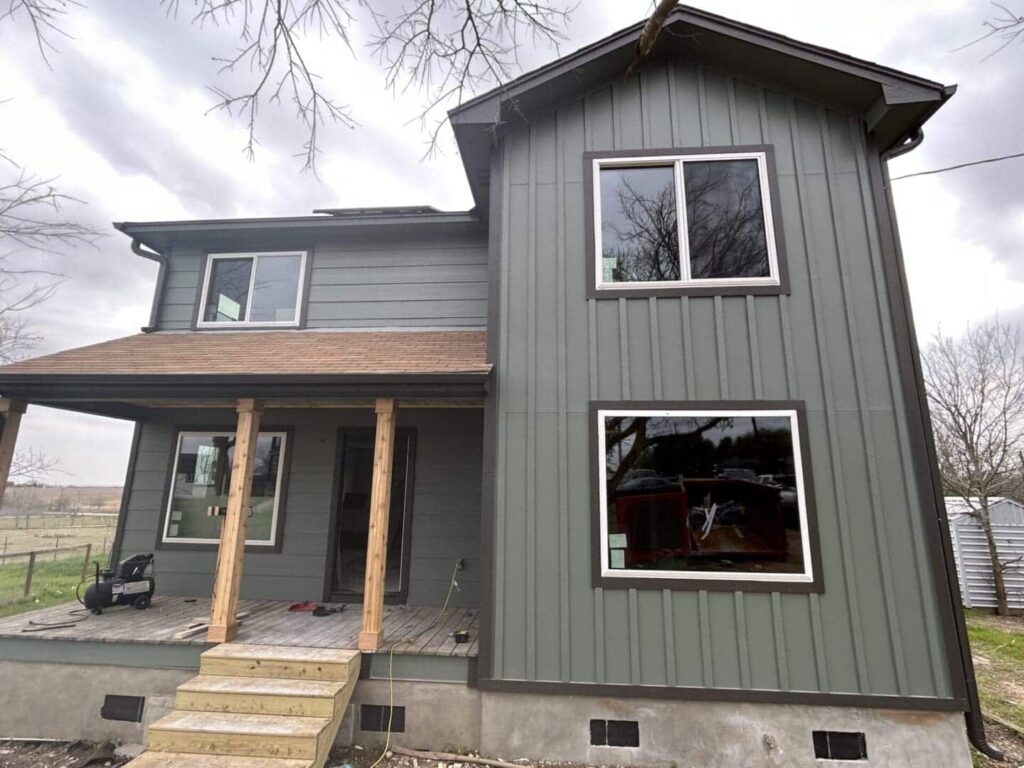
Assessing Structural Components Beneath Existing Siding
The visible exterior covering represents only one part of a wall system. Supporting materials beneath it also influence installation quality.
Examining Sheathing and Framing
Wall sheathing provides a supporting surface and contributes to the building’s structural system. When an experienced siding installation company in Austin removes existing siding, it can inspect accessible sheathing and framing for signs of deterioration.
Damaged or weakened components may need attention before installing replacement siding.
However, a preliminary exterior inspection cannot always reveal concealed structural problems. Further assessment may become necessary once existing materials are removed.
Suspected structural damage should be evaluated by an appropriately qualified specialist.
Reviewing Flashing and Water-Resistive Barriers
Flashing helps direct water away from vulnerable joints and openings. Water-resistive barriers provide an additional layer of protection behind exterior cladding.
Contractors consider how these components interact with windows, doors, wall penetrations, and adjoining building materials.
Proper detailing matters because even durable siding cannot compensate for poorly managed water penetration.
How Material Selection Influences Wall Preparation
Different siding products have specific installation requirements. Consequently, evaluating wall conditions also helps determine which materials are appropriate for the Austin property.
Evaluating Walls for James Hardie Fiber Cement Siding
Fiber cement siding is commonly selected for its durability, appearance, and resistance to several forms of environmental exposure. Genuine Texas Exteriors provides James Hardie fiber cement siding for residential properties, including lap siding, vertical panels, and shingle-style products.
Before installation, contractors must consider the supporting wall structure, fastening requirements, moisture-management details, and manufacturer specifications. James Hardie products also have installation requirements relating to clearances, joints, and fastening methods. These details can vary by product and wall assembly.
A suitable assessment helps determine whether additional preparation is necessary before installation begins.
Considering Exterior Exposure and Design
Wall orientation, surrounding vegetation, sunlight, and exposure to wind-driven rain may also influence material selection and installation planning. For residential projects involving siding in Austin, TX, evaluating these conditions can help contractors recommend suitable cladding configurations and finishes.
The objective is to balance visual appeal with appropriate weather protection and maintenance requirements.
Measuring Exterior Walls for Accurate Project Planning
Accurate measurements are essential to determine siding quantities and develop a realistic project scope.
Contractors assess wall dimensions, openings, corners, and architectural features that influence material requirements. A competent siding contractor in Austin, TX, may combine on-site observations with digital measurement tools to develop detailed estimates.
For example, Genuine Texas Exteriors uses satellite imagery and specialized software to calculate exterior wall measurements before visiting a property. These measurements can help identify material quantities and support phased installation planning.
Final requirements should still account for site conditions, product specifications, and any concealed issues discovered during removal.
Preparing Exterior Walls Before Installation Begins
Once the evaluation is complete, contractors develop a preparation plan based on the findings.
This may involve removing existing siding, checking accessible wall components, addressing deteriorated materials, and preparing attachment surfaces.
The preparation process typically includes confirming that:
- Supporting surfaces are suitable for the selected siding.
- Relevant moisture-management components are correctly detailed.
- Window and door openings have appropriate flashing arrangements.
- Required clearances and fastening locations meet product instructions.
- Installation plans comply with applicable building requirements.
Completing these checks helps reduce avoidable complications and supports consistent workmanship.
Frequently Asked Questions
What does a siding company inspect before installation?
A siding company typically examines existing cladding, visible wall damage, moisture concerns, surface alignment, and accessible supporting components. The inspection helps determine whether additional preparation is needed before installing new materials.
Can new siding be installed over damaged exterior walls?
Installing siding over deteriorated structural materials is generally inappropriate. Assess and address damaged sheathing, weakened framing, or unresolved moisture problems before installation proceeds. The required work depends on the damage’s extent and location.
How long does an exterior wall assessment take?
The assessment duration depends on property size, wall accessibility, architectural complexity, and visible deterioration. A straightforward inspection may take less time than an assessment involving multiple wall sections or suspected concealed damage.
Why is moisture inspection important before siding replacement?
Moisture can affect timber framing, sheathing, and other vulnerable wall components. Identifying potential water entry points before siding installation helps prevent existing problems from being concealed beneath new materials.
Is James Hardie fiber cement siding suitable for residential exterior walls?
James Hardie fiber cement siding can suit many residential applications when the selected product matches the building requirements and is installed according to the manufacturer’s instructions. Proper wall preparation, fastening, flashing, and moisture management remain essential.
Does every siding replacement project require complete wall reconstruction?
No. The required work depends on the condition of the existing wall assembly. Some properties need only standard preparation, while others may require more extensive work where deterioration or structural concerns are discovered.
Conclusion
Evaluating exterior walls is a critical step in achieving a successful siding installation. From identifying moisture concerns and examining supporting structures to checking surface alignment and measuring wall dimensions, each assessment supports better project planning. An experienced siding installation company in Austin follows these steps to identify potential issues before installation begins.
A thorough inspection also helps contractors choose suitable materials, anticipate potential challenges, and prepare exterior surfaces to meet installation requirements. For property owners considering fiber cement siding, understanding these steps can make the improvement process clearer and more manageable.
Ready to assess your home’s exterior? Find Genuine Texas Exteriors on Google Maps with local siding specialists in Austin.